
Improving Average Order Value on Swiggy Instamart
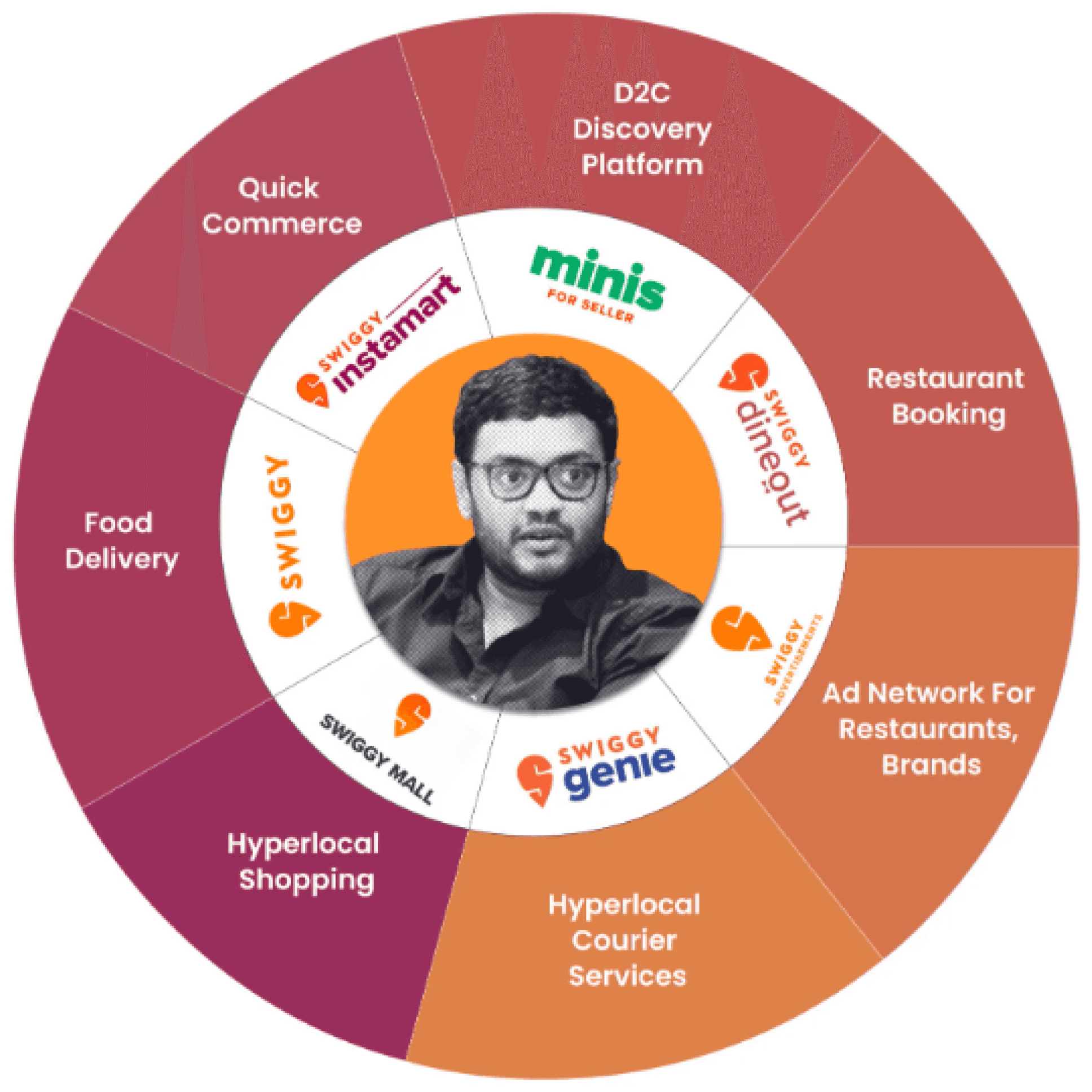
Swiggy, founded in 2014 and based in Bangalore, is India's leading online food and grocery delivery platform.
Operating in over 600+ cities, Swiggy offers on-demand grocery services through Instamart and same-day package delivery via Swiggy Genie, ensuring convenience, speed, and reliability for urban consumers.
About Swiggy
Offerings
Competitors
Discounts
Delivery Time
Delivery Charges
Active Users
Locations
Average Order Value
Technology
USP
11% Avg.
10-20
minutes
1M weekly instant orders
12 cities
₹522-₹553
Dark store model, predictive analytics
10% Avg.
10-20
minutes
₹15-60
based on
order size
₹15-60
based on
order size
2M
transacting
users
18 cities
₹400
Dark store
model
voice ordering
Wide range of products, partnership
High discounts, diverse product range
12% Avg.
60-120
minutes
NA
60 cities
₹600-₹1000
Traditional e-grocery, extensive warehouses
7% Avg.
10-20
minutes
₹15-60
based on
order size
Free for orders above ₹600
3 lakh daily orders
10 cities
₹400
Dark store model, EV delivery
Fastest delivery times, focus on essentials
Established player, large inventory
10%-15%
20-40
minutes
NA
NA
₹300-₹600
Traditional e-grocery, extensive warehouses
7% Avg.
20-40
minutes
Fixed + dynamic (surge, late night)
Free for all orders
NA
6 cities
₹300-₹600
Dark store model, predictive analytics
Best for discounts on home care products
Integration with Reliance Retail, high user base
NA
120-180
minutes
NA
60 cities
₹600-₹1000
Traditional e-grocery, extensive warehouses
Free for orders above ₹600
Integration with Amazon ecosystem, extensive product range
Aspects


About Swiggy
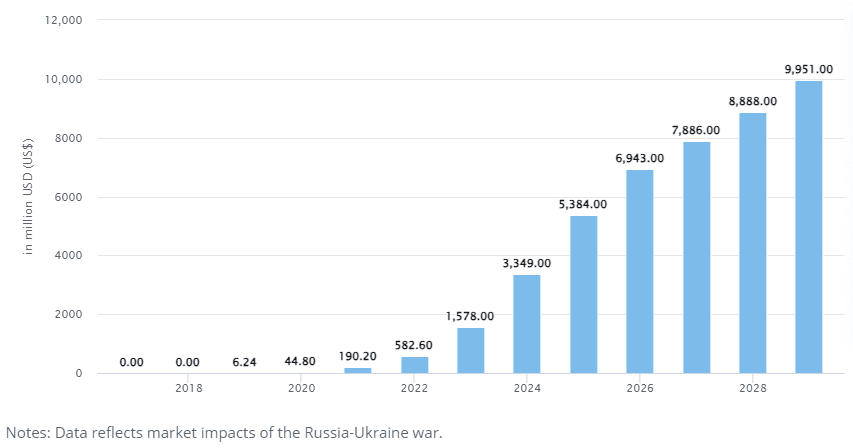
Market Sizing
User Base Growth
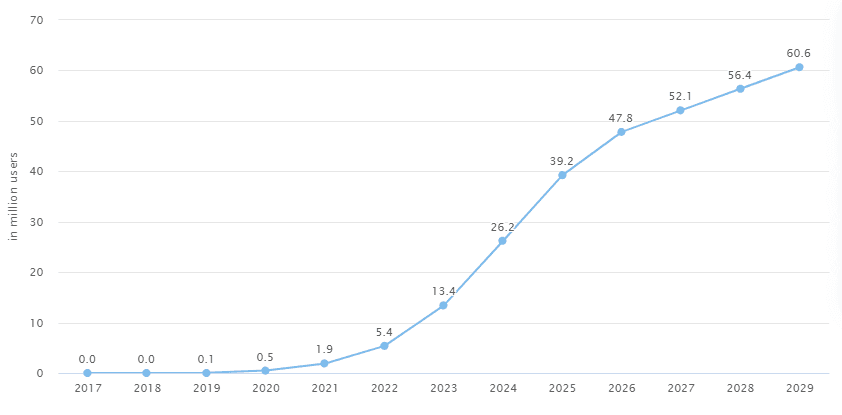
User Penetration Rate currently stands at 1.8% in 2024, is projected to rise to 4.0% by 2029
By 2029, it is anticipated that the number of users in the Q-Commerce market in India will reach 60.6m users.
Average Revenue per User (ARPU)
Average Revenue per User (ARPU) is estimated to be US$127.70
Consumer Insights
India's growing middle class & increasing disposable income have contributed to the growth of the Q-Commerce market
Indian Customers have shown a preference for convenience and speed.
COVID-19 pandemic has also accelerated the growth of the Q-Commerce market, with customers preferring contactless delivery option
Govt. push towards digitization & ease of doing business in India have attracted foreign investment & led to the development of digital economy
Due to diverse set of population there is a need for localized marketing strategies to appeal to customers in different regions
US $3,349 Mn
US $9,951.00m
24.33% CAGR
FY24
Market Growth of Quick Commerce in India in next 5 years
FY29
Market Growth
User Personas
Behavior:
High engagement with apps for daily activities
Generally operate on a tight budget, leading to high price sensitivity
Value convenience & quick delivery
High demand for late night deliveries
Tendency to make spontaneous purchases (small), influenced by offers & discounts
Demographics:
Age: 20
Income: Upper Middle Class (no income)
Location: Urban Area (Pune)
Needs:
Snacks, beverages & ready-to-eat meals
Quick access to daily essentials
Personal care items
Regular need for stationery & tech accessories
Riya | 20 | Student | Pune
Strategies:
Bundle Offers (study snacks, weekend party packs etc)
Nocturnal Promotions to capture the night owl segment
Referral Programs
Trend based marketing
AI-Driven Suggestions based on past purchases & browsing behaviors
Behavior:
High reliance on online platforms
Willing to pay a premium for quick deliveries
Busy schedule, prioritizes health & fitness & convenience
Preference for healthy & organic foods with regular use of health supplements
Uses fitness trackers or smartwatches to monitor activity levels
Mayank | 27 | Corporate Finance Associate | Mumbai
Demographics:
Age: 27
Income: Mid to high income
Location: Urban Area (Hyderabad)
Needs:
Organic, whole & natural foods; avoids processed foods
Supplements like protein powders, vitamins
Health products & fitness gears
Premium daily essential items
Strategies:
Personalized meal plans & fitness packages
Loyalty programs that rewards repeat purchases with discounts &exclusive offers
Subscription boxes for regular delivery of health products & supplements
AI-Driven Suggestions based on past purchases & health goals
Behavior:
High-value & bulk purchases
Preference for high-quality, premium brands
Focuses on maintaining a healthy lifestyle
Willing to pay for convenience and quality
Busy schedule, prioritizes family health
Participate in loyalty programs & memberships that offer exclusive benefits & discounts
Demographics:
Age: 35
Income: High Income (upper class)
Location: Urban Area (Delhi)
Needs:
High-quality, premium brands & organic products
Bulk non-perishable items & household essentials
Wide range of products to cater to various family members
Child-centric purchases
Strategies:
Create family-sized bundles & themed packages (family movie night snacks, weekend meal kits)
Subscription plans for regular delivery of household staples & family essentials
Create interactive tools such as meal planners, grocery lists
Highlight customer reviews and ratings
AI to suggest products based on past purchases and preferences
Jaya | 35 | Mother & Manager | Delhi
Targeted User Personas
Product Features
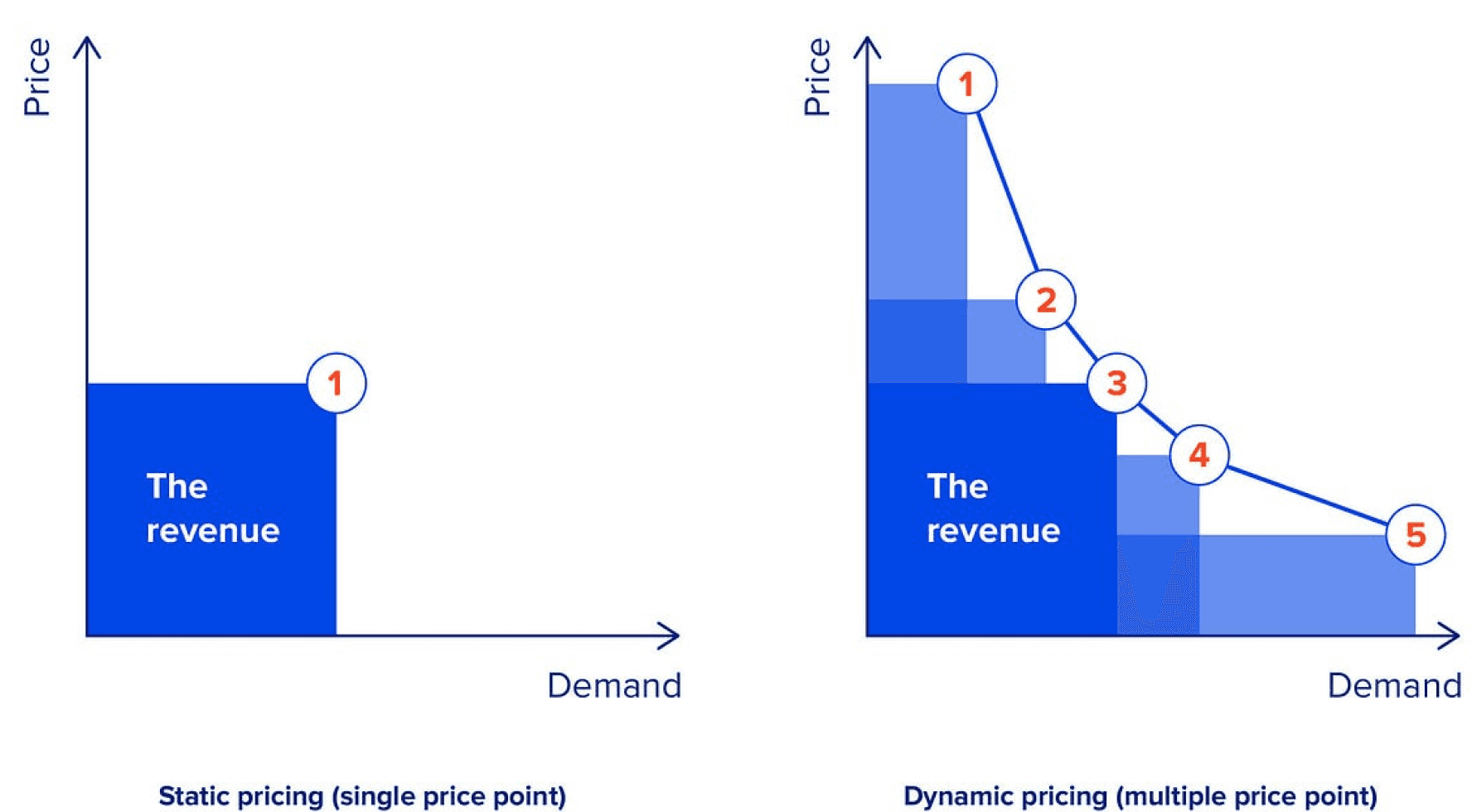
Implement dynamic pricing strategies changing multiple times a day based on factors like demand, competitor prices, and even customer browsing habits creating personalized discounts & deals
Personalized Shopping Experience
Use AI to provide personalized product recommendations based on past purchases & browsing behavior
Product Feature #3 & #4
Product Feature #2
Subscription Services
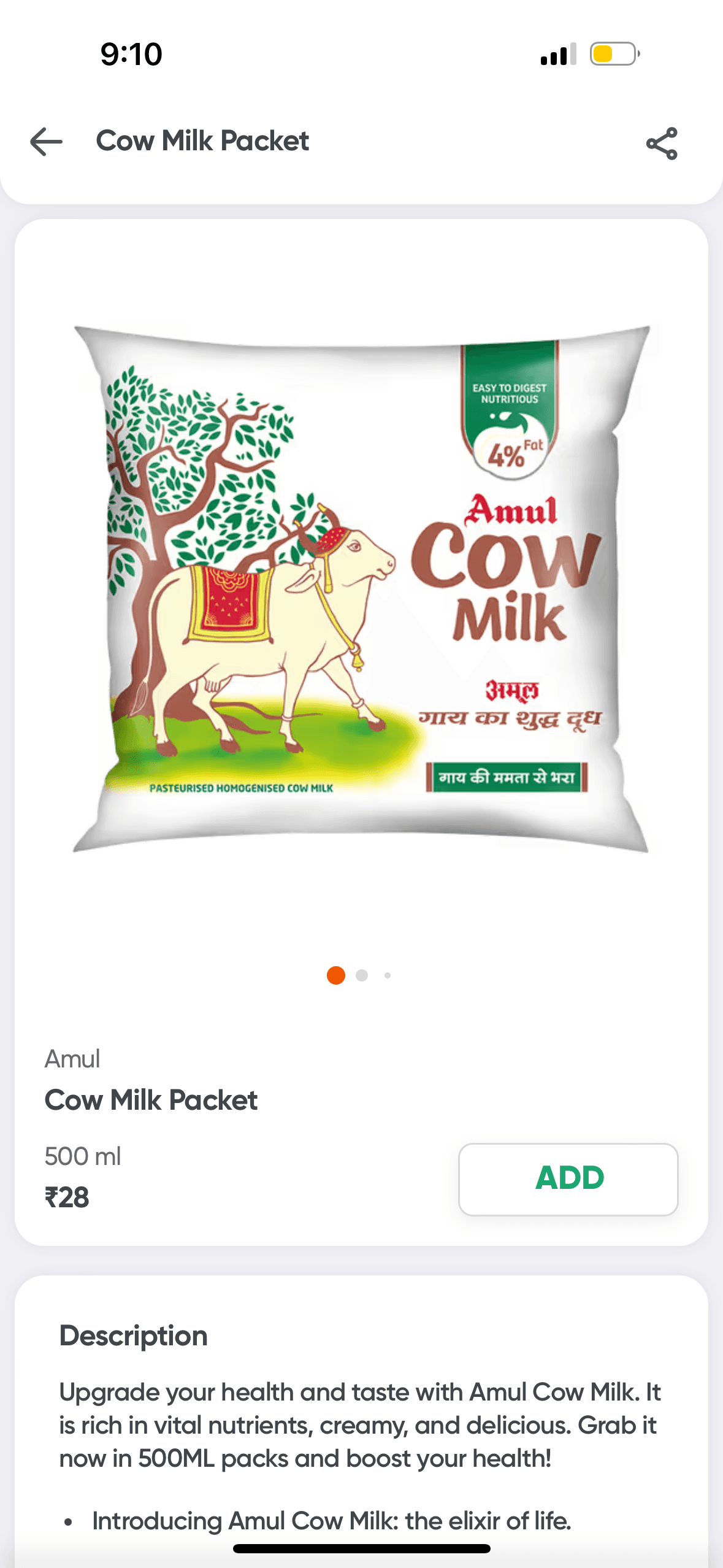
Introduce subscription services for regular deliveries of staples, fresh produce & household essentials.
User will be able to select a subscription type and start date.
Swiggy Instamart should offer subscriptions for monthly deliveries of health supplements, protein shakes & fitness snacks to cater to health conscious user base
Subscription Type
WEEKLY
Start Date
04 JULY 2024
1
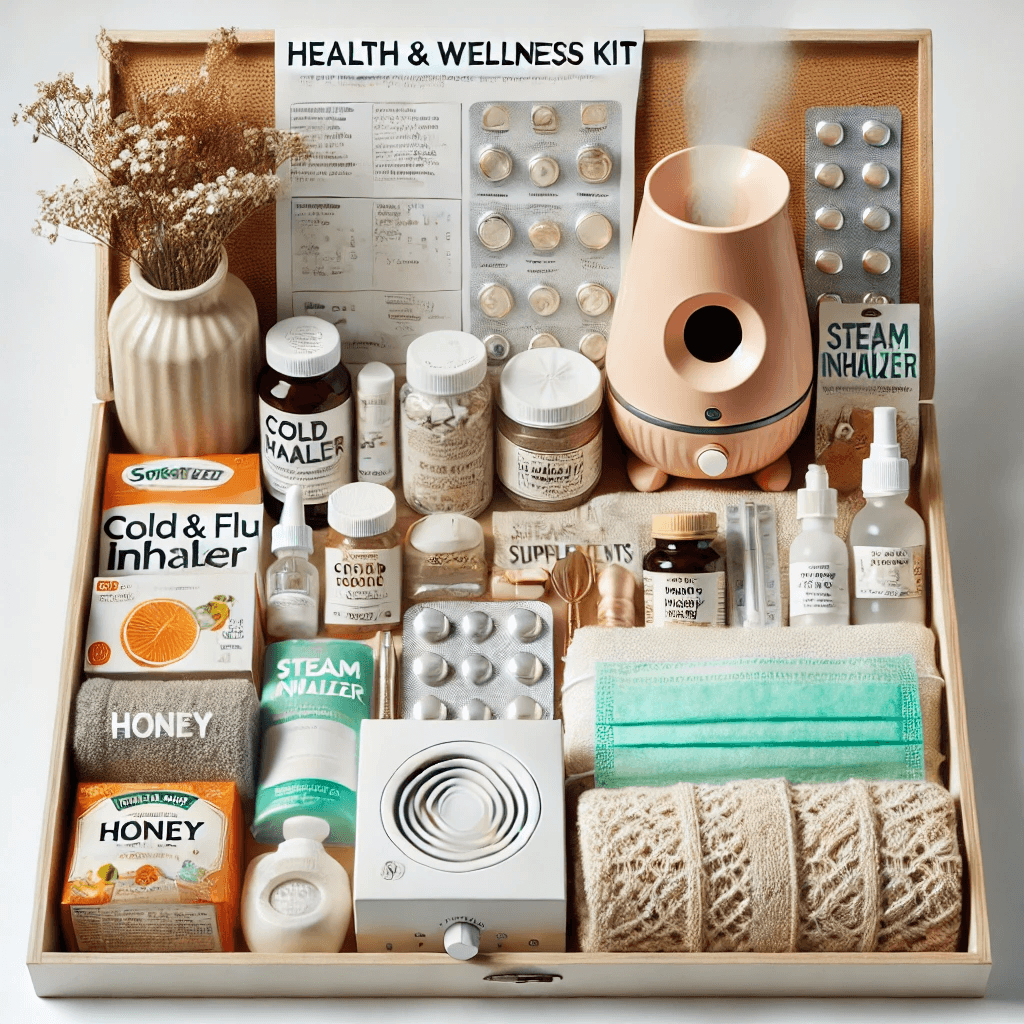
Health & Wellness Kits
Create discounted combos of frequently purchased items, encouraging customers to buy more items together.
Combos can be created on basis of past purchases & trends
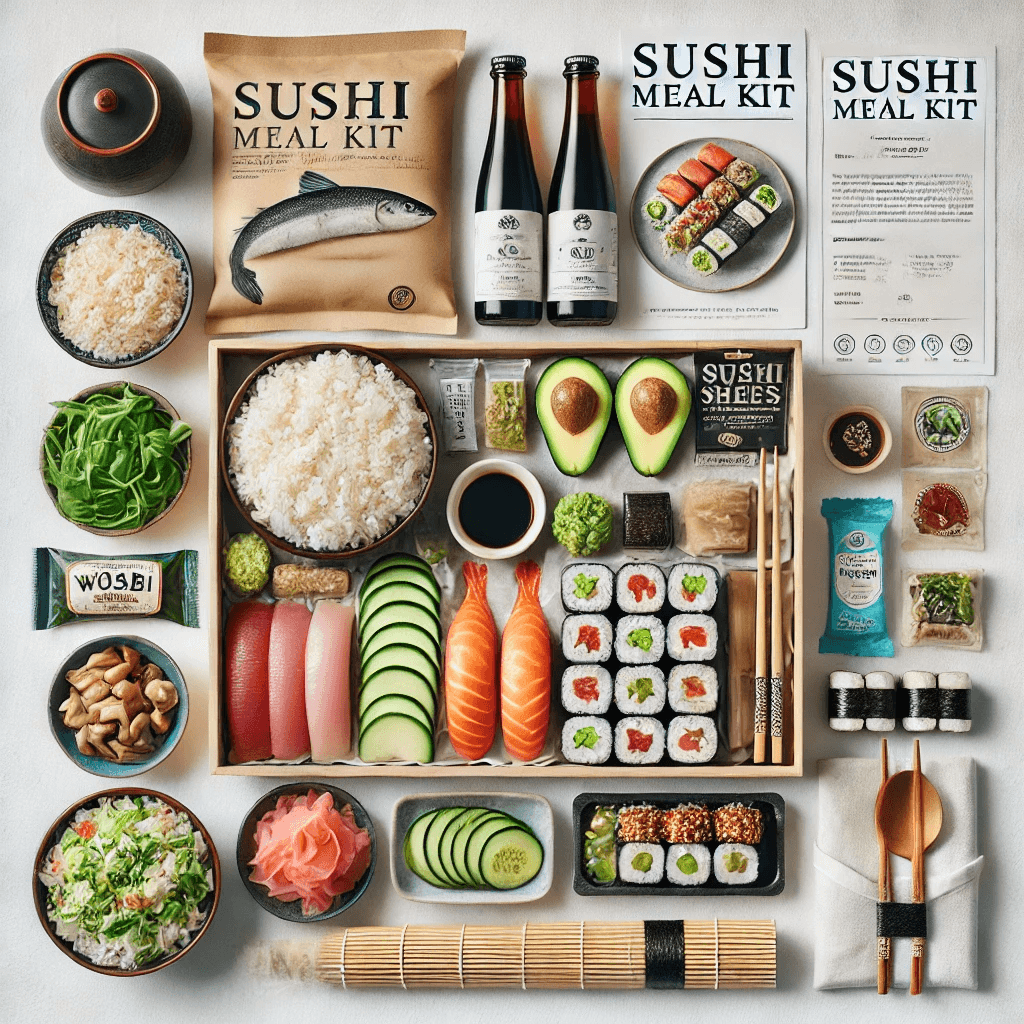
Create meal kits with all necessary ingredients & recipes for healthy, gourmet meals, catering to specific dietary needs like keto, vegan, or gluten-free
Meal Kits
SHOP BY MEAL KITS
Pasta Party Kit
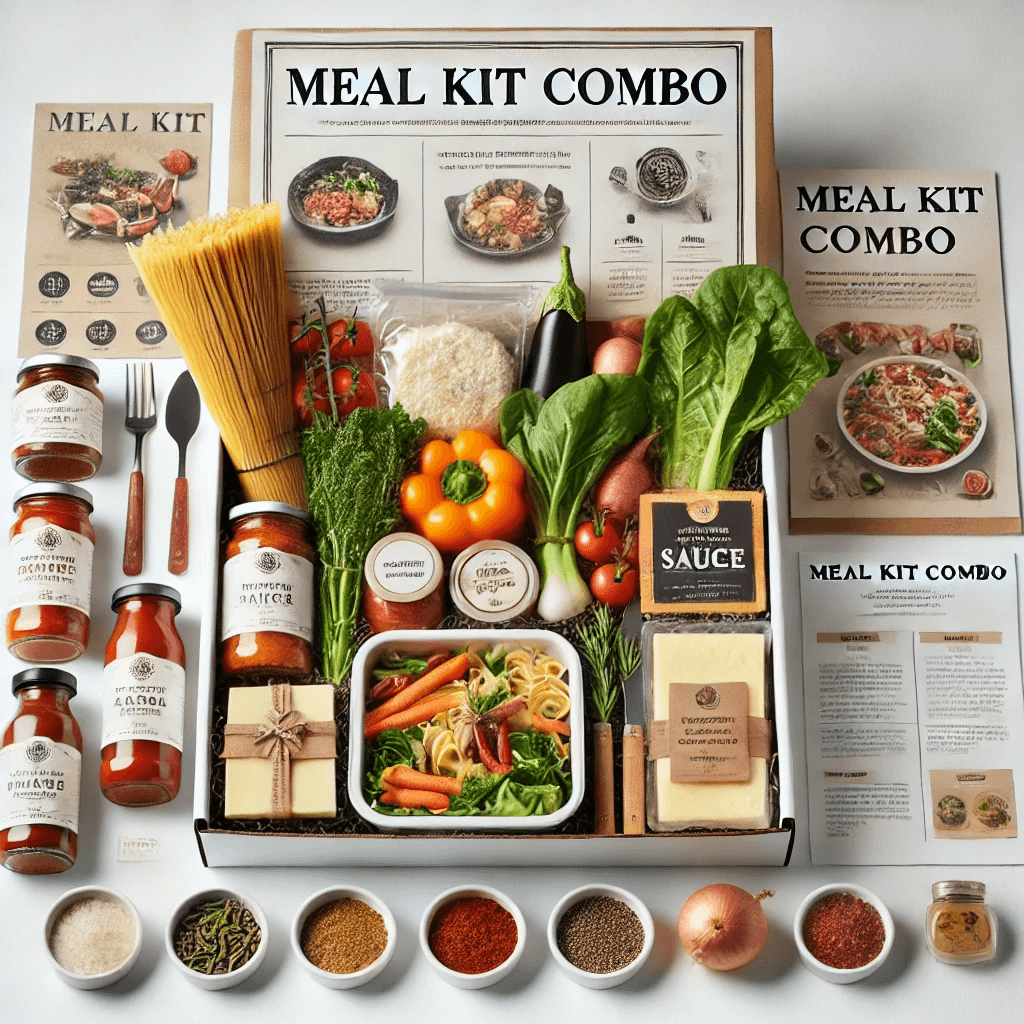
Biryani Meal Kit
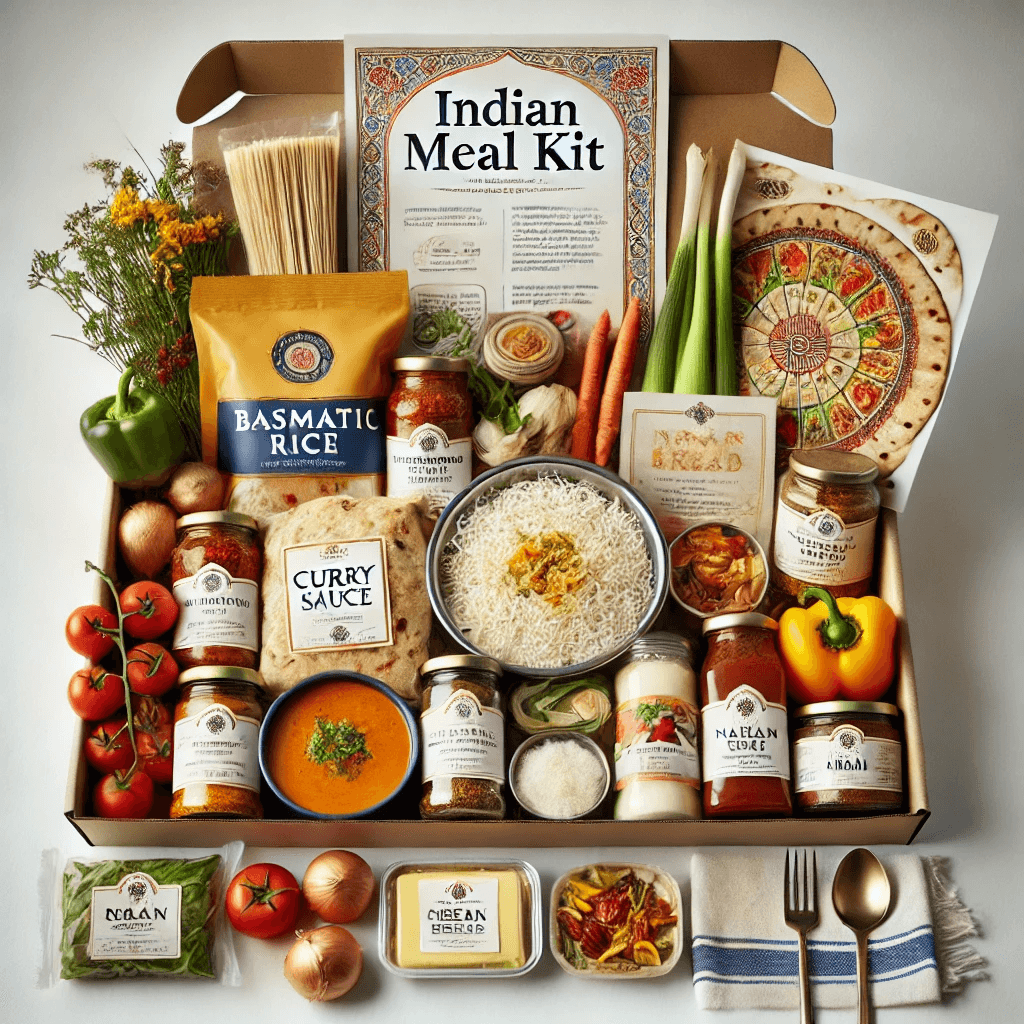
Sushi Meal Kit
Product Feature #1
Bundle Packages
Discounted Combos
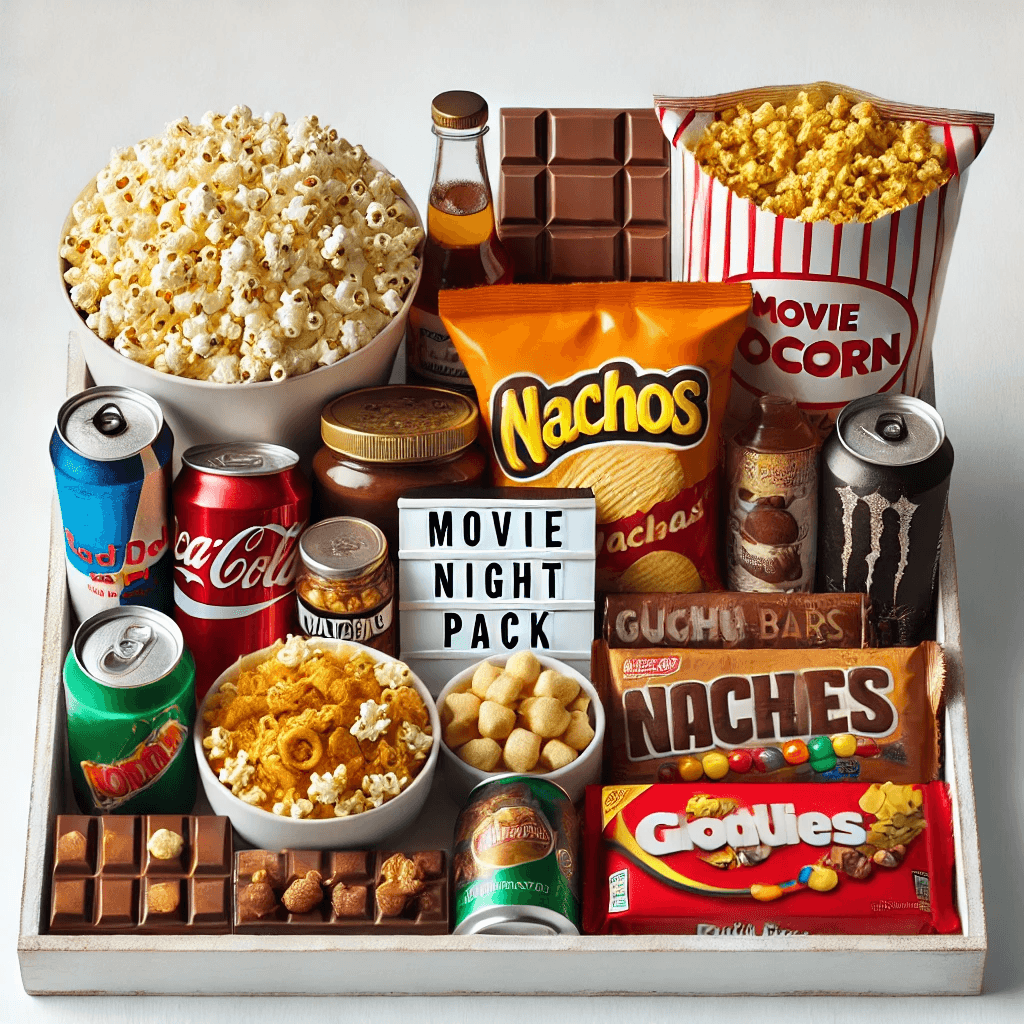
Offer curated product bundles that cater to specific needs, such as Movie night packs or Study snack packs
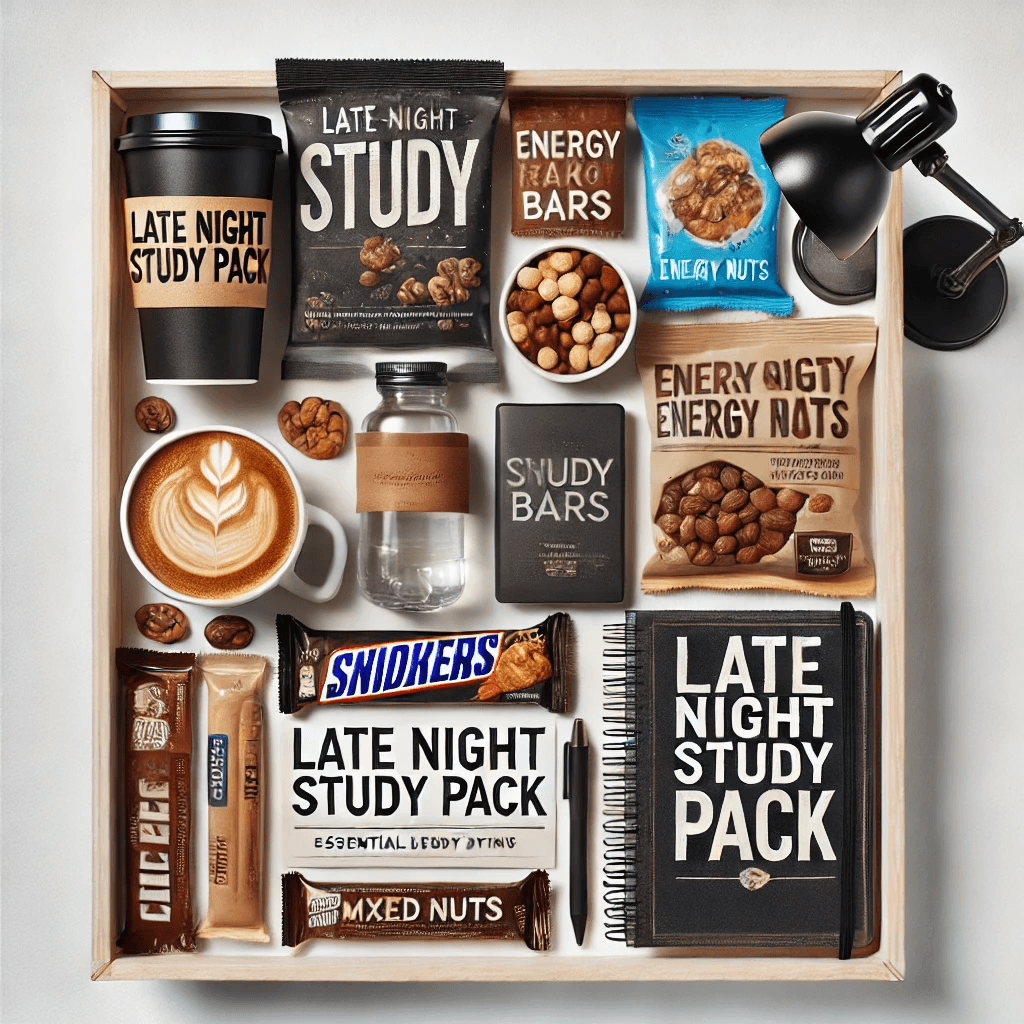
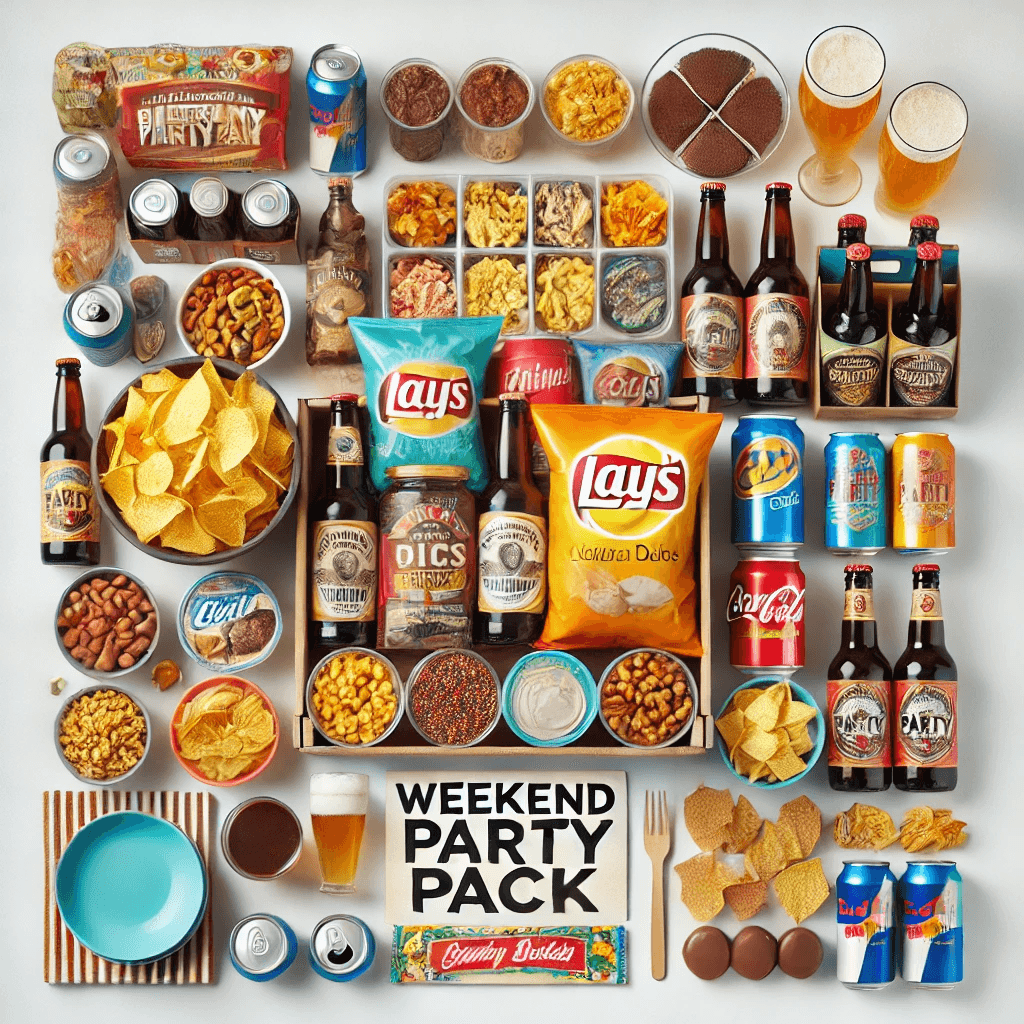

SHOP BY PACKS
Movie Night
Pack
Late Study
Session Pack
Weekend Party
Pack
Create health & wellness kits, including organic produce, protein supplements & fitness-related products
Shopping Lists
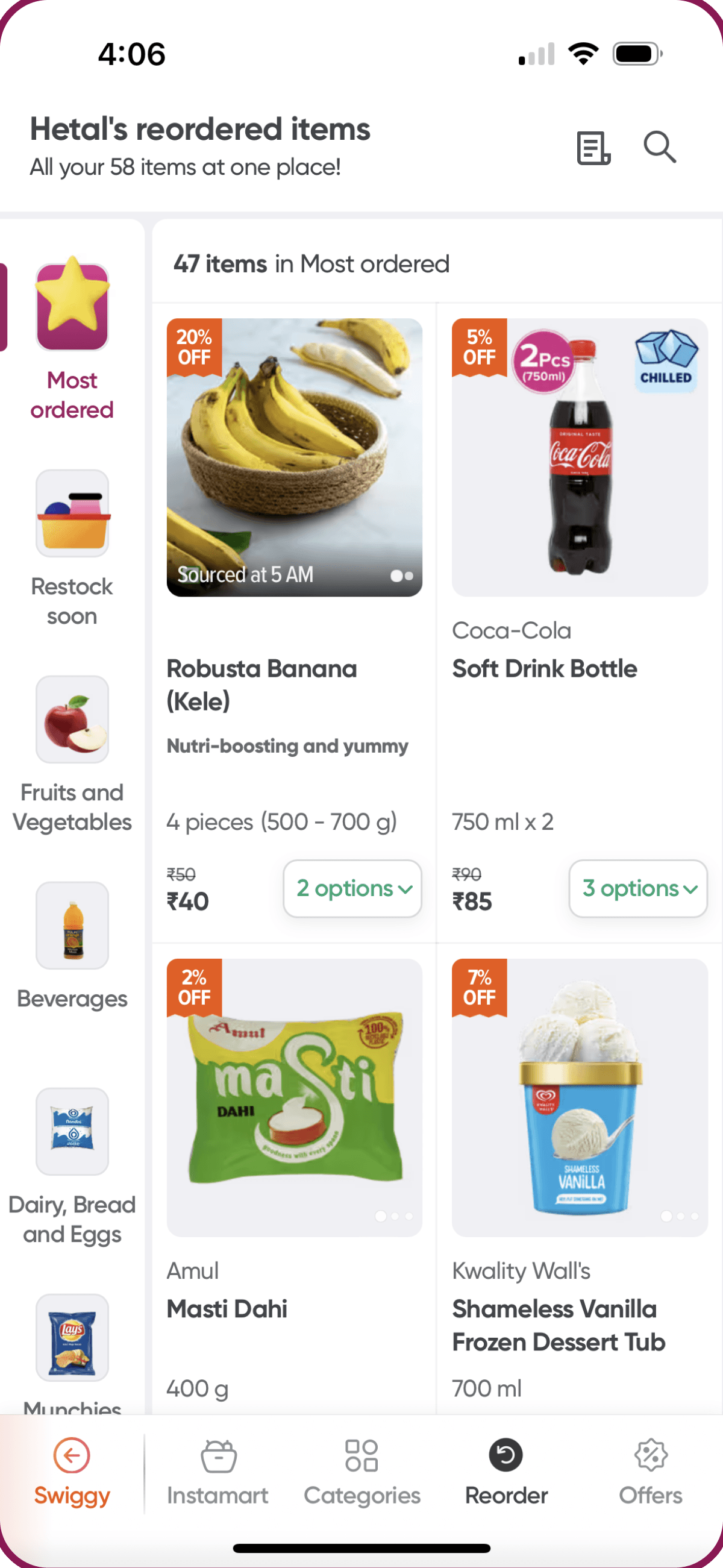
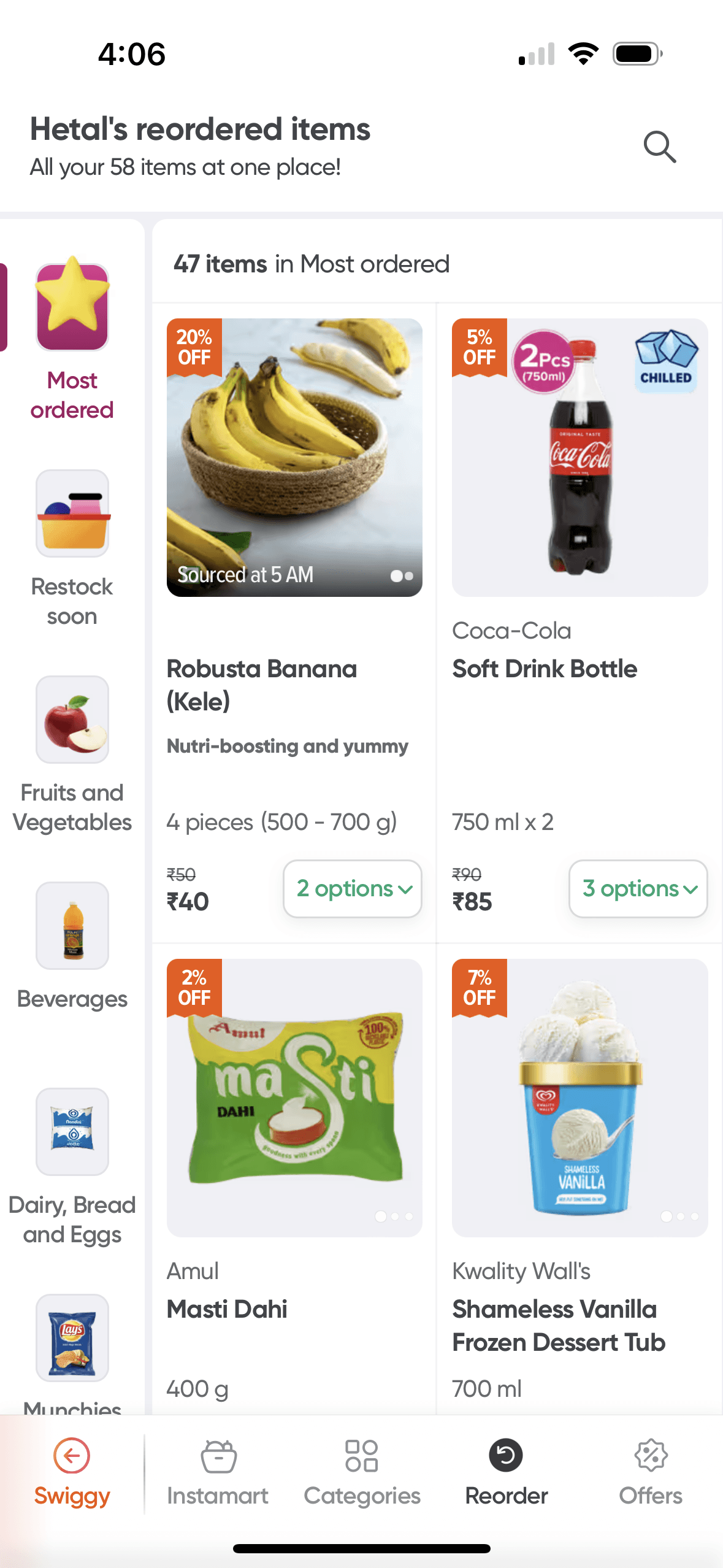
Allows users to create, save & manage lists of items they frequently purchase. This functionality will simplify the shopping process, enhancing user convenience & encourages repeat purchases.
By integrating this feature into the Swiggy Instamart app’s Reorder section, users can create lists and set auto-reorder to quickly reorder their regular groceries & essentials with minimal efforts.
Later in future AI can be used to provide personalized product recommendations based on past purchases & browsing behavior and the list can be automatically created
Product Feature #5
Shopping Lists
3 lists
Food
Cleaning
Party List
6 items in Food List
Add All Items to Cart


Red Bull Energy Drink Can
250ml
₹125
Coca-Cola Diet Coke Can
250ml
₹155
₹25
₹20
₹20
Kurkure Namkeen Masala
50g
Dairy Milk Chocolate

23g
Lays Hot & Sweet Chilli ...
50g
Add New List
Icon
New list
Prioritization
Prioritization of Features using R.I.C.E. Framework
Appendix 1
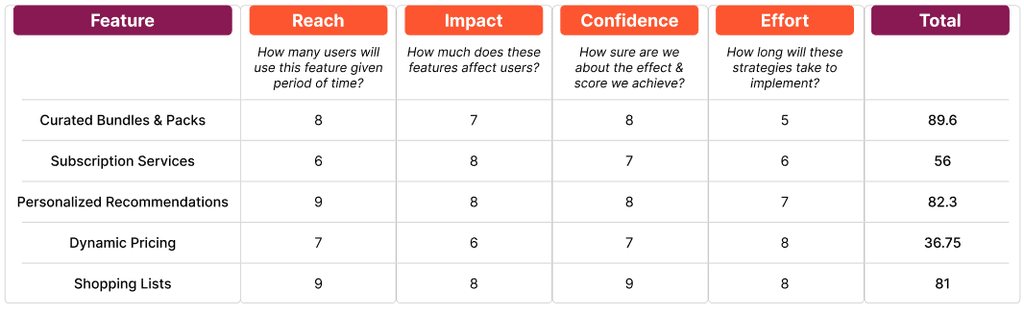
Reach x Impact x Confidence
Effort
RICE Score =
Prioritization of Features
Metrics
Evaluates the effectiveness of upselling & cross-selling strategies.
Number of Upsell/Cross-sell Transactions
Total Transactions
Upsell and Cross-sell Rate =
No. of Subscribers
x 100
Total no. of Customers
Subscription Rate =
Increase in basket size suggests that customers are adding more items to their cart, contributing to a higher AOV.
Average Basket Size =
Total no. of Items Sold
Total no. of orders
CLV estimates total revenue a business can expect from a single customer over their entire relationship.
High retention indicates customer satisfaction & loyalty, which can lead to higher AOV over time.
Total Revenue
No. of Orders
Average Order Value =
An increase in AOV indicates that customers are purchasing more or higher-priced items per order, which directly impacts revenue
Supporting Metrics:
North Star Metric
Metrics to Measure
Customer Retention Rate =
No. of Returning Customers
x 100
Total No. of Customers
Customer Lifetime Value (CLV) =
AOV x Purchase Frequency x Customer lifespan
It will measure the percentage of customers subscribing to regular delivery services. Higher subscription rates indicate a steady stream of recurring revenue and customer loyalty.
References
Secondary Research
Appendix 1
Effort Scale: (Inverse scale, where higher effort scores indicate more complexity)
1: Minimal effort (few hours to a day).
5: Moderate effort (several days to a few weeks).
10: Very high effort (several months or more).
Impact Scale:
1: Minimal impact (barely noticeable improvement)
5: Moderate impact (noticeable improvement in experience)
10: Massive impact (significant improvement or transformative change in experience)
Reach Scale:
1: Very few users (1-2% of the user base)
5: A moderate portion of users (25-50% of the user base)
10: Nearly all users (90-100% of the user base)
Confidence Scale:
1: Very low confidence (estimates are highly uncertain).
5: Moderate confidence (estimates are somewhat uncertain).
10: Very high confidence (estimates are highly certain and well-supported by data).
References & Appredix
What’s Next?
Have a question or a project in mind?
I'd love to hear from you. Let's chat and make something amazing together.
Created with ❤️ by @hetalverma